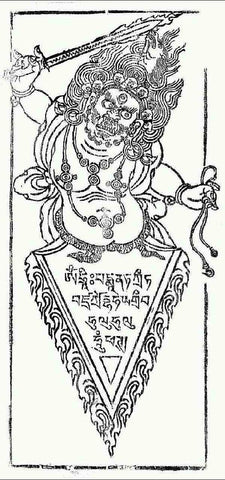

Phurba- dagger of tantric Buddhism
1- What is a phurba?
The Phurba, known as Kila in Sanskrit, is a dagger used to overcome demons, introduced to Tibetan Buddhism by Padmasambhava. It is a powerful symbol of the transmutation of negative energies.
Originally Hindu, known as Kila, the Phurba is used by both Buddhists and shamans in Himalayan regions. Although various explanations exist regarding the form of the practices, all seem to aim for fierce protection against harmful spirits and their manifestations. This action can involve pinning down or directing the energy of the invoked deity with a pointed gesture.
Often made from stone, bone, or metal, the Phurba daggers found in Tibetan Buddhist temples are distinguished by their three-sided blade. Used in rituals to ward off unwanted spirits, the Phurba spiritually neutralizes demonic forces, sometimes to their annihilation, in the hope of reincarnation in more beneficial realms. Each element of the Phurba carries a particular meaning.
Who is Padmasambhava?
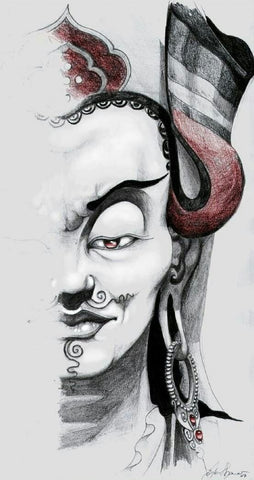
Padmasambhava, literally "born from the lotus," is an 8th-century Buddhist master likely born during the first quarter of that century in the Swat Valley, Pakistan, also known as Guru Rinpoche ("precious master").
He is considered an enlightened master, an Indian yogi, and a founder of Tibetan Buddhism. Padmasambhava is revered for introducing Tantric Buddhism to Tibet in the 8th century. He is renowned for his miraculous powers, wisdom, and ability to overcome obstacles. Padmasambhava is often depicted with a crown, holding a vajra (thunderbolt) and a bell, symbols of his enlightened nature and compassion.
Vajrakilaya- Dorje Phurba- Karma Purifying Deity
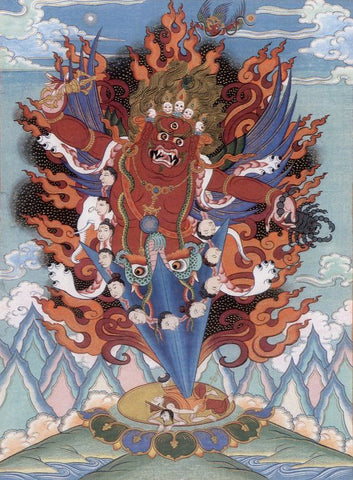
The phurba represents the deity Vajrakilaya associated with the magical phurba dagger or Kila in Sanskrit, symbolizing the sharp point of immutable wisdom in the face of the power of benevolence.
Vajrakilaya or Vajrakila, Dorje Phurba in Tibetan, is a prominent tantric deity in Tibetan Buddhism, embodying the wrathful manifestation of the compassion and wisdom of the buddhas. This deity is associated with the purification of karma and the destruction of obstacles on the path to enlightenment.
To learn more about Vajrakilaya, please consult our dedicated article by clicking on this link
This archetype has a very specific yogic use, not simply being seen as an external deity to worship or manipulate in rituals.
The meaning of Vajrakilaya and the kila (or phurba in Tibetan):
1) Vajrakilaya of the base: is none other than the primordially unborn nature of the mind, where the three bodies and the five wisdoms express themselves spontaneously.
2) Varjakilaya of the path: In spiritual practice, Vajrakilaya is the deity one visualizes. The phurba is its symbol, representing the transmutation of the three poisons and their liberation into the dharmadhatu (the ultimate space). There are four types of phurba:
- The phurba of Rigpa: symbolizing the nature of the mind.
- The phurba of bodhicitta: associated with the union practices of dzogrim, the completion stage.
- The phurba of limitless compassion: expressing the vow to leave no being in suffering.
- The material phurba: itself, used as a ritual instrument in spiritual practice.
3) Vajrakilaya of the fruit: Represents the accomplishment of enlightenment, the primordial wisdom of the mind of all buddhas.

---Exceptional mammoth ivory Phurba from our collection--
2- Origin of the Phurba
The Phurba, originating from ancient India, named Kila in Sanskrit, has its roots in Hindu and Tantric ritual practices. In these traditions, it was used as a ritual instrument to pierce obstacles and symbolized victory over negative forces.
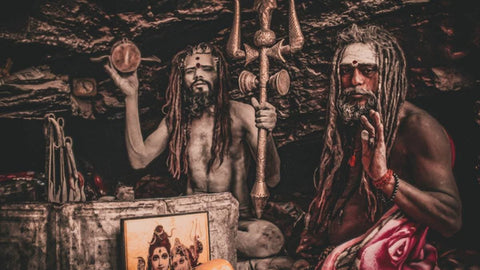
The Aghori sect of India uses the kila to create a protective circle by driving bone pegs into the ground and binding them with black thread, a ritual practice known as kilana.
3- Composition of a Phurba
The blade
The dagger's blade symbolizes method, with each of its three sides
representing the three spirit worlds. The tip unites all three
to form a harmonious cosmic axis.
In Buddhism, the "three spirit worlds" refer to the three main forms of suffering and illusion that hinder spiritual awakening:
-
The realm of sensuality (kamadhatu): This realm is characterized by sensual desire and material pleasures. Beings who reside primarily in this world are dominated by their sensory desires and seek happiness through pleasant sensations.
-
The realm of form (rupadhatu): This realm is inhabited by beings who have attained deep meditative states and reside in celestial realms or subtle states of existence. Although these beings have transcended sensory desires, they remain subject to attachment to forms and meditative states.
-
The realm of formlessness (arupadhatu) : This realm is populated by beings who have attained even deeper states of meditation, transcending even physical form. They reside in purely mental states of existence, freed from the limitations of physical form, but are still subject to attachment to mental existence.
The triple-bladed design is also intended to simultaneously transform the world's three poisons into positive energies.
These poisons are ignorance, greed, and aggression, which can take a lifetime to overcome in the quest for enlightenment.
The phurba transmutes ignorance into wisdom, greed into generosity , and aggression into compassion.
The blade is often perceived as indestructible and is ignited by fire to consume hatred.
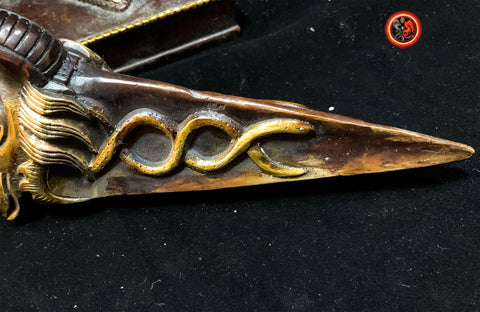
Makara:
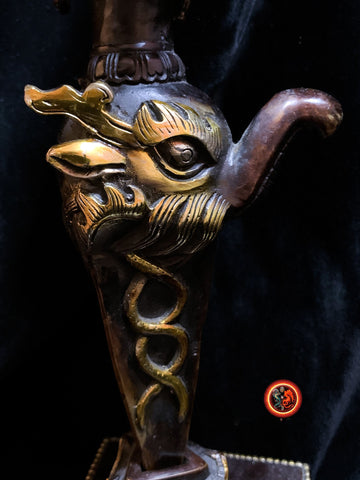
The handle:

The top of the handle is often adorned with three wrathful deities: Yamantaka, Amrita Kundalini, and Hayagriva.
Yamantaka, embodies the body and the dissolution of hatred. By embodying the body and the dissolution of hatred, Yamantaka brings the strength to overcome negative and destructive emotions, thus promoting the pacification of the mind.
Amrita, represents the mind and the dissolution of illusion. Helps to dispel false perceptions and achieve a clearer understanding of reality, thus promoting mental clarity and wisdom.
Hayagriva, symbolizes speech and the dissolution of greed. Offers the power of righteous communication and liberation from excessive desires, thus promoting authentic verbal expression and mastery of material impulses.
The Phurba's handle embodies wisdom and can also take the form of an eight-sided bulb, adorned with symmetrical knots at each end. The meanings of the knots vary according to interpretations. Some see them as symbolizing Nirvana contained within, while others believe that different parts of the knots house the divine realms of several gods.
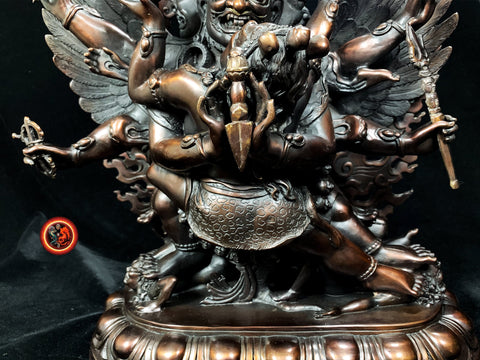
In many representations, the Phurba dagger is depicted in a simplified form, due to its small size. However, in its three-dimensional form, this tantric dagger is most often adorned with numerous Buddhist symbols, demonstrating its commitment to eradicating evil.
4- Practical Uses of the Phurba:
The use of the phurba in traditional rituals:
the Phurba also plays a central role in many traditional rituals, specific to Vajrayana Buddhism as well as Himalayan shamanism:
-
Purification Rituals: The Phurba is used in purification rituals to ward off negative energies and purify sacred space. By planting the tip of the Phurba in the ground or directing it towards different directions, practitioners purify a place of undesirable influences and create an environment conducive to meditation and prayer.
-
Invocation Ceremonies: During invocation ceremonies, the Phurba is used to invoke and channel the energy of deities and protective spirits. By pointing the Phurba towards the sky or directing it towards the altar, practitioners establish a connection with spiritual forces and solicit their assistance in their spiritual practices.
-
Protection Rituals: The Phurba is also used in protection rituals to repel demonic forces and malevolent influences. By drawing protective circles with the tip of the Phurba or using the dagger to seal energetic portals, users of the phurba can protect themselves from negative energies and ensure their spiritual safety.
There are rituals where the Phurba and the Dorje (or Vajra) are used together. These two ritual objects are sometimes associated in Tantric practices of Tibetan Buddhism.
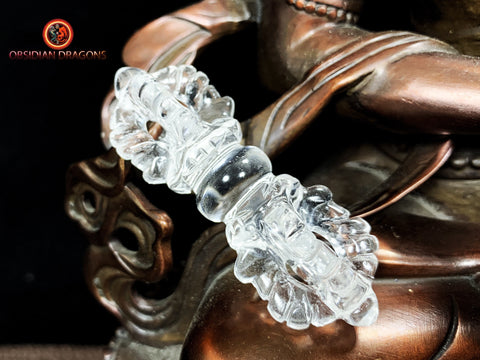
The Dorje, also known as Vajra in Sanskrit, is an important ritual symbol in Tantric Buddhism. It represents the indestructible nature of reality and the primordial force of enlightenment. In its most common form, the Dorje is a scepter-shaped or thunderbolt-shaped object. It is often associated with the Buddha Vajradhara and is used in tantric rituals to seal spiritual energy, purify obstacles, and channel blessings.
Although the Phurba is deeply rooted in spirituality and traditional rituals, it can also have practical applications in daily life.
-
Energetic Protection: In contemporary spiritual practices, the Phurba is often used as a tool for energetic protection. In meditation or during healing practices, it can be used to purify the space and ward off negative energies.
-
Energy Focus: The Phurba can be used as a focal point during visualization or meditation practices. By focusing on the sharp point of the Phurba, practitioners can channel their energy and intention towards a specific goal, such as healing or problem-solving.
-
Meditation Tool: Holding a Phurba during meditation can help ground the mind and facilitate concentration. Some practitioners find that the feeling of the dagger in their hand reminds them of their commitment to their spiritual practice and helps them stay present in the moment.
-
Personal Energetic Defense: Some carry a small Phurba with them as a talisman of personal protection, bringing security, strength, and protection in stressful situations or when they feel energetically vulnerable.
-
Healing Tool: In some traditions, the Phurba is used in healing practices to remove energetic blockages and restore balance to the body and mind. Practitioners use the point of the Phurba to direct healing energy to specific areas of the body or aura.

Rock crystal Phurba pendant from our collection of Buddhist amulets
5- Phurba Materials and Symbolism:
The making of a Phurba can involve a variety of materials, each carrying its own symbolism and importance in ritual practices.
-
Stone: Stone Phurbas, such as jade or rock crystal, symbolize stability and strength. Stone is associated with the earth and permanence, making it a popular choice for those seeking a rooted connection with earth energies and a solid foundation for their spiritual practices.
Jade Phurba: holds particularly rich and deep symbolism, due to the intrinsic properties of this precious stone as well as the attributes associated with the Phurba itself.
-
-
Stability and Balance: Jade is associated with stability, balance, and tranquility. As an earthly stone, jade embodies solidity and permanence, offering grounding and a solid foundation for spiritual practices.
-
Harmony and Wisdom: Jade is also considered a stone of wisdom and harmony. By wearing or using a jade Phurba, one seeks to cultivate a deeper understanding of oneself and the world around us, as well as to promote inner and outer harmony.
-
Protection and Purification: As with all Phurbas, those made of jade are used to ward off negative energies and purify the spiritual environment. Jade is often considered a protective stone, capable of neutralizing harmful influences and promoting a purified sacred space.
-
Longevity and Prosperity: In many cultures, jade is associated with longevity, health, and prosperity. A jade Phurba can therefore be considered a talisman of good fortune, bringing blessings of health, happiness, and success in spiritual practices and in daily life.
-
Rock crystal Phurba: presents rich symbolism, combining the properties of rock crystal with those of the Phurba.
-
Clarity and Purity: Rock crystal is considered a stone of clarity and purity. A rock crystal Phurba therefore symbolizes spiritual purification, transparency of mind, and clarity of intention.
-
Amplification of energies: Rock crystal is renowned for its power to amplify energies. Thus, a rock crystal Phurba can intensify spiritual intentions, strengthen meditative practices, and increase the power of purification and protection rituals.
-
Healing and Balance: Rock crystal is often associated with healing and energetic balance. A rock crystal Phurba can therefore be used in spiritual healing practices, aiming to restore harmony in the body, soul, and mind.
-
Spiritual connection: Due to its clarity and purity, rock crystal is considered a stone of spiritual connection. A rock crystal Phurba can facilitate communication with higher spiritual planes, strengthen connection with spiritual guides, and facilitate access to inner wisdom.
-
Protection and Purification: As with all Phurbas, a rock crystal Phurba is used to ward off negative energies and purify spiritual space. Rock crystal acts as a protective shield, eliminating harmful influences and promoting a sacred and secure environment.
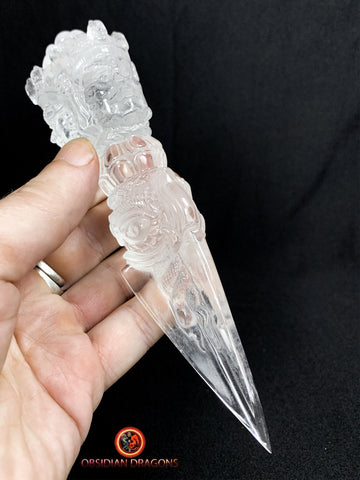
Exceptional and rare rock crystal Phurba, available in our collections
Amethyst Phurba: Possesses unique symbolism associated with it as well as the traditional attributes of the Phurba.
-
Wisdom and Spirituality: Amethyst is associated with wisdom and spirituality. An amethyst Phurba symbolizes the pursuit of spiritual knowledge, deep meditation, and connection with higher spiritual realms.
-
Spiritual protection: Amethyst is renowned for its protective properties against negative energies and harmful influences. An amethyst Phurba therefore acts as a spiritual shield, warding off dark forces and creating a sacred and protected space for spiritual practices.
-
Transmutation of energies: Amethyst is also associated with the transmutation of energies, transforming negative vibrations into positive energies. An amethyst Phurba can therefore be used in purification rituals, helping to purify and elevate the surrounding energy.
-
Intuition and mental clarity: Due to its deep purple color, amethyst is often associated with intuition and mental clarity. An amethyst Phurba can help stimulate intuition, promote clear thinking, and increase spiritual awareness.
-
Balance and harmony: Amethyst is also considered a stone of balance and harmony. An amethyst Phurba can help balance emotions, calm the mind, and promote a state of inner harmony and peace.
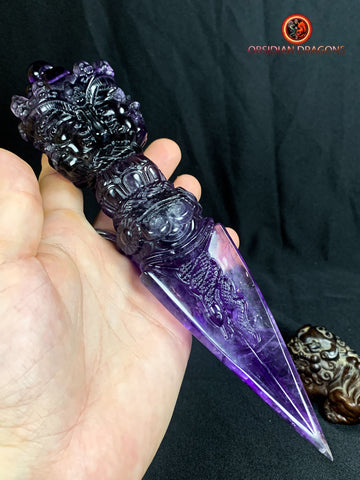
Exceptional amethyst Phurba available on our site
Obsidian Phurba: has a particular symbolism, closely linked to the unique properties of this natural volcanic glass.
-
Protection and purification: Obsidian is associated with protection and purification. As a natural stone formed by the rapid cooling of volcanic lava, obsidian is considered to have powerful energy to repel negative influences and purify the spiritual environment. An obsidian Phurba therefore acts as a spiritual shield, protecting the practitioner from undesirable energies and purifying the sacred space.
-
Transformation and transmutation: Obsidian is also associated with the transformation and transmutation of energies. Due to its volcanic origin, it is considered a stone of strength and courage, helping to overcome obstacles and transform challenges into opportunities for growth. An obsidian Phurba therefore symbolizes the process of spiritual transformation, helping the practitioner to transcend limitations and evolve towards a higher state of awakening.
-
Mental clarity and inner vision: Due to its dark and shiny nature, obsidian is often associated with mental clarity and inner vision. It helps to dispel illusions, allowing the practitioner to see the truth with clear and lucid vision. An obsidian Phurba can therefore be used in meditation to promote deep awareness and greater spiritual understanding.
-
Grounding and psychic protection: In addition to its ability to protect from negative energies, obsidian is also associated with grounding and psychic protection. It helps to strengthen the connection with the Earth and maintain a stable and balanced presence in the physical world. An obsidian Phurba therefore offers essential support for staying rooted and protected while exploring spiritual realms.
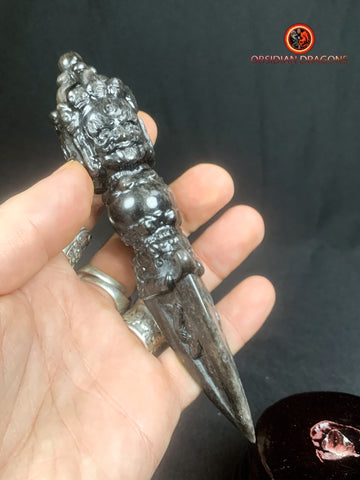
Silver obsidian Phurba available in our dedicated collection
-
Wood: Wooden Phurbas, often hand-carved, represent growth, flexibility, and vitality. Wood is also associated with nature and spiritual growth, making it a suitable choice for those seeking to cultivate their spiritual practice in an organic and evolving way.
-
Metal: Metal Phurbas symbolize resistance, durability, and power. Metal is associated with energy and strength, making it an ideal choice for those seeking to channel powerful energies into their rituals and spiritual practices.
Bronze Phurba: possesses rich symbolism, associated with the specific properties of this metal and its use in the manufacture of ritual objects.
-
Strength and durability: Bronze is a metal alloy composed mainly of copper and tin, known for its robustness and durability. A bronze Phurba therefore symbolizes strength and resistance, offering solid support in ritual and spiritual practices.
-
Tradition and heritage: Bronze has been a traditional material used in the making of ritual and religious objects for centuries. Due to its ancient history and continued use in cultural and spiritual practices, a bronze Phurba is associated with tradition and spiritual heritage. It recalls the teachings and practices passed down from generation to generation, offering a precious link to the past.
-
Energy conduction: Bronze is a conductive metal, capable of transferring energy and channeling spiritual forces. A bronze Phurba therefore acts as a conduit for spiritual energy, helping to amplify the practitioner's intentions and spiritual practices. It facilitates the transmission of blessings and prayers, thus strengthening the effectiveness of rituals.
-
Stability and balance: Due to its solid metallic composition, bronze also represents stability and balance. A bronze Phurba offers stable anchoring in spiritual practices, helping the practitioner to remain centered and balanced during moments of meditation and ritual. It symbolizes the inner strength and resilience needed to face life's challenges.
-
Beauty and aesthetics: In addition to its functional and spiritual symbolism, a bronze Phurba is often appreciated for its beauty and aesthetics. Bronze has a warm color and a natural luster that gives it an attractive appearance. As a ritual object, a bronze Phurba is often admired for its craftsmanship and design, adding an aesthetic dimension to spiritual practice.
 Monumental Tibetan Bronze Phurba – Vajrayana Art
Silver Phurba:
-
Purity and clarity: Silver is often associated with purity and clarity due to its brilliant color and natural luster. A silver Phurba therefore symbolizes purity of intention and clarity of mind in spiritual practices. It represents the search for truth and wisdom, as well as the desire to transcend illusions and obstacles on the path to enlightenment.
-
Protection and healing: In many cultures, silver is considered a metal with protective and healing powers. A silver Phurba therefore acts as a protective talisman, repelling negative energies and ensuring the spiritual safety of the officiant. It is also associated with spiritual and physical healing, helping to remove energy blockages and restore inner balance.
-
Light and illumination: Due to its characteristic luster, silver is often associated with light and spiritual illumination. A silver Phurba therefore symbolizes the quest for spiritual knowledge and divine wisdom. It represents the ability to illuminate the darkness of ignorance and to find truth beyond appearances. It is used in meditation and visualization practices to help achieve higher states of consciousness.
-
Balance and harmony: Silver is also associated with balance and harmony due to its soft and malleable nature. A silver Phurba therefore symbolizes the importance of balance between opposing forces and the search for inner harmony. It recalls the importance of cultivating qualities such as compassion, generosity, and benevolence to achieve a state of balance and inner peace.
-
Elegance and refinement: In addition to its spiritual symbolism, a silver Phurba is often admired for its elegance and aesthetic refinement. Silver is a precious metal prized for its natural beauty and silvery luster. A silver Phurba therefore adds an aesthetic dimension to spiritual practice, elevating the ritual experience to a level of sophistication and elegance.
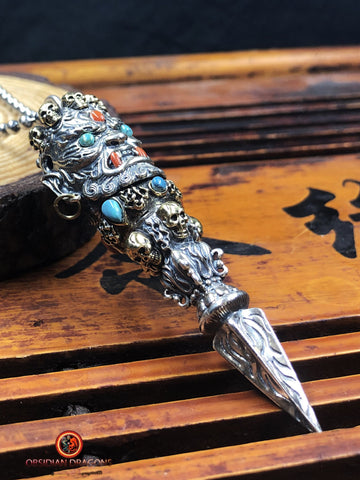
Phurba in 925 silver - copper - turquoise and nan hong agates
Gold Phurba:
-
Royalty and divinity: Gold has long been associated with royalty, power, and divinity in many cultures around the world. A gold Phurba therefore symbolizes spiritual royalty and the divine nature of tantric practice. It represents the sacred connection with divine forces and the ability to manifest noble and transcendent qualities in daily life.
-
Purification and transformation: Gold is considered a pure and incorruptible metal, capable of transmuting negative energies into positive ones. A gold Phurba therefore acts as an agent of purification and spiritual transformation, helping the practitioner to transcend obstacles and realize their full spiritual potential. It symbolizes the ability to purify the mind and body of impurities and limitations, thus paving the way for enlightenment.
-
Abundance and prosperity: Gold is associated with abundance, wealth, and prosperity in many cultures. A gold Phurba symbolizes the spiritual abundance and inner prosperity that result from authentic spiritual practice. It represents the richness of the spirit and the inner bliss that emerges when one cultivates qualities such as compassion, generosity, and wisdom.
-
Splendor and illumination: Due to its characteristic luster, gold is often associated with light and spiritual illumination. A gold Phurba therefore symbolizes the quest for spiritual knowledge and divine wisdom. It represents the ability to illuminate the darkness of ignorance and to find truth beyond appearances. It is used in meditation and visualization practices to help achieve higher states of consciousness.
-
Protection and blessing: Due to its value and sacred character, gold is considered a protective and beneficial metal. A gold Phurba acts as a talisman of protection and blessing, repelling negative energies and attracting positive ones. It symbolizes divine protection and the blessing of celestial forces, offering the practitioner security and support on their spiritual journey.
-
Bone: Bone Phurbas, while less common, carry a deep meaning related to mortality and transformation. Bone is associated with life and death, dissolution and regeneration, making it a symbolic choice for those working with the energies of transformation and renewal.
- Ivory Phurba:
-
Purity and Clarity: Ivory, due to its white color and smooth texture, is associated with purity and clarity. An ivory Phurba symbolizes the pursuit of spiritual purity and mental clarity in spiritual practice. It represents the ability to transcend impurities and obscurities of the mind to reach higher states of consciousness.
-
Spiritual elevation: Due to its rarity and beauty, ivory is associated with objects of great value and high quality. An ivory Phurba symbolizes spiritual elevation and the pursuit of perfection in tantric practice. It represents the quest for spiritual excellence and ultimate accomplishment on the path to awakening.
-
Protection and Strength: Historically, ivory has been used in the manufacture of ritual objects and protective weapons due to its solidity and durability. An ivory Phurba symbolizes protection and strength in spiritual practice. It represents the ability to repel negative forces and defend against obstacles on the path to awakening.
-
Harmony and Balance: Ivory is a noble and balanced material, capable of resisting the ravages of time. An ivory Phurba also symbolizes harmony and balance in spiritual practice. It represents the ability to maintain inner stability and alignment with spiritual principles, even in the face of challenges and adversities.
Phurba with DZI: the alliance of two Tibetan talismans

Tibetan Bronze Phurba with 21-Eyed DZI
Some phurbas incorporate a DZI bead into their body, also called gzi, usually made of agate and recognizable by its geometric patterns, particularly the circles designated as "eyes". In the Tibetan and Himalayan cultural area, the DZI is worn as a talisman to which protection, vigilance, and good fortune are traditionally associated. Its incorporation into a phurba pendant brings together two distinct symbolic registers: the ritual dagger of Vajrayana Buddhism represents the immobilization and transformation of obstacles, while the DZI bead evokes lucidity, protection, and the accumulation of favorable conditions. The number of eyes provides an additional reading, whose meaning can vary according to traditions and contemporary interpretations. The 21-eyed DZI is thus commonly associated with accomplishment, the concentration of spiritual qualities, and the fulfillment of wishes.
6- Conclusion:
With its multiple practical uses, ranging from purification and invocation rituals to protection and healing, the Phurba embodies a deep symbol of spiritual transformation and connection with divine energies. Its manufacture from different materials such as jade, rock crystal, amethyst, obsidian, wood, bronze, silver, and even ivory, adds layers of symbolism and spiritual meanings, offering a variety of options to choose the one that best suits one's needs and spiritual aspirations.
Beyond its use in traditional rituals, the Phurba also finds its place in contemporary daily life as a tool for energetic protection, energy focusing, anchoring during meditation, and even as a personal talisman. Whether in ancient spiritual practices or modern spiritual quests, the Phurba continues to serve as a spiritual guide and an object of veneration, offering a tangible way to transcend obstacles and move towards enlightenment.
The rich symbolism of the materials used to make the Phurba reflects the diversity of its uses and the depth of its meaning in spiritual traditions. Whether made of stone, precious metal, or bone, each Phurba embodies a unique story and symbolic power that inspires those who hold it to seek wisdom, protection, and inner harmony. As a timeless symbol of spiritual transformation, the Phurba continues to illuminate the path of spiritual seekers through the ages, offering the promise of liberation and awakening for those who wear it with devotion and respect.