
-
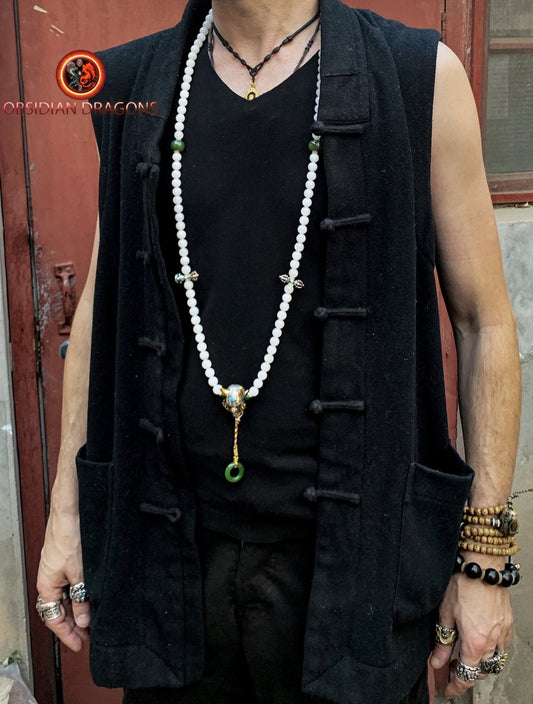
Jade Mala - Hannya Demon from Japan
Regular price €855,00 EURRegular price -
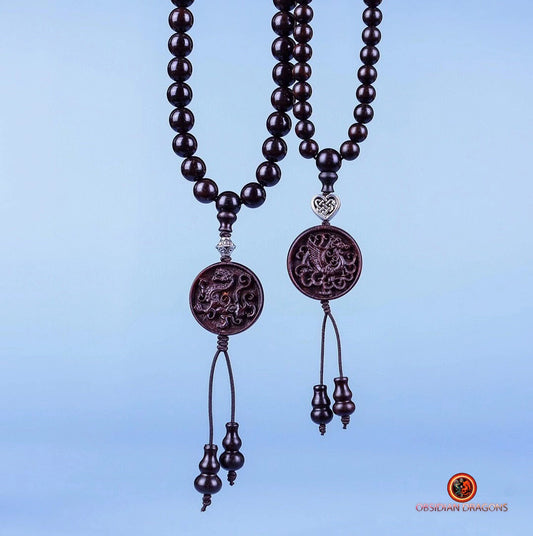
Mala for couple - Dragon and phoenix
Regular price €197,00 EURRegular price -
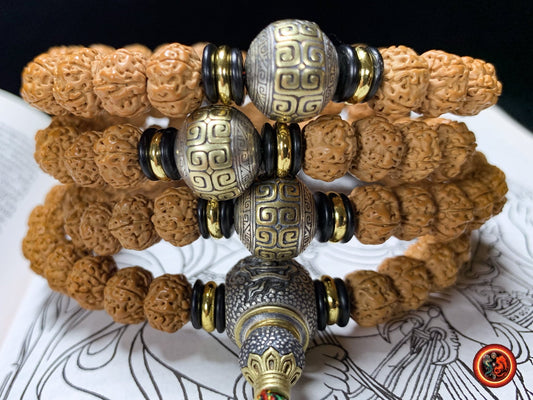
Rudraksha Mala - 108 seeds - handmade
Regular price €175,00 EURRegular price -
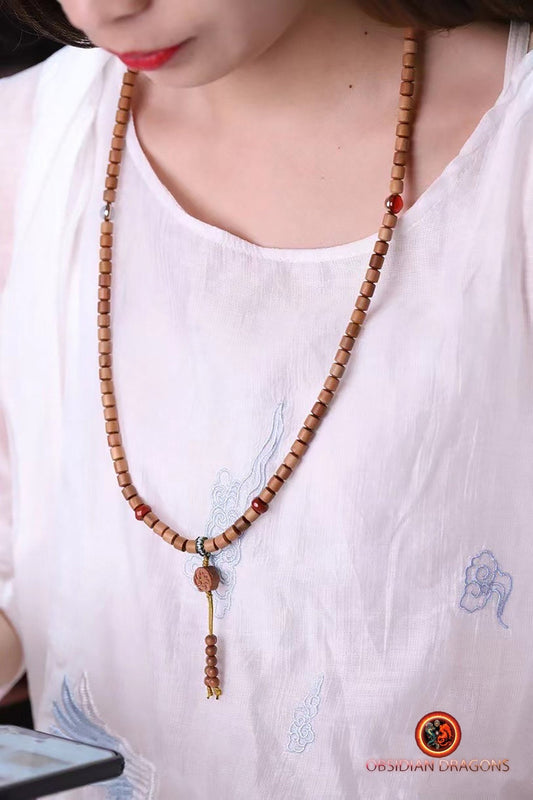
Handmade mala - rare sandalwood called "Laoshan"
Regular price €254,00 EURRegular price -
Sandalwood Mala - Balance and Serenity
Regular price €34,00 EURRegular price -
Mysore sandalwood mala - rare - collection
Regular price €303,00 EURRegular price -
Jade Mala. Tibetan Wealth Deity Jambhala
Regular price €680,00 EURRegular price -
Mala, traditional Buddhist prayer beads of Tibetan tantric practice. 108 buffalo bone beads.
Regular price €315,00 EURRegular price -
Mala, traditional Zen Buddhist rosary. 108 green jade beads. Prayers and meditation
Regular price €254,00 EURRegular price -
Hetian Jade Buddhist Mala – Zen Mala - 108 Beads
Regular price €220,00 EURRegular price -
Mala, traditional Tibetan Buddhist prayer beads. 108 camel bone beads, jade. meditation on impermanence
Regular price €198,00 EURRegular price -
Natural jade mala rosary. Buddhist prayer and meditation necklace
Regular price €268,00 EURRegular price -
Celestial Eye Obsidian Mala – 108 beads – Reliquary
Regular price €293,00 EURRegular price -
Mala, prayer beads and Buddhist meditation. 108 rock crystal beads, gem quality citrine. Ghau Buddha Amitabha, Guan Yin
Regular price €380,00 EURRegular price -
Hetian Jade Mala – 108 Beads – Zen Buddhist Prayer Beads
Regular price €145,00 EURRegular price -
Exceptional and rare mala, Buddhist rosary, 108 sandalwood beads from Laoshan. Chenrezi, mantra of compassion carved on each bead
Regular price €418,00 EURRegular price





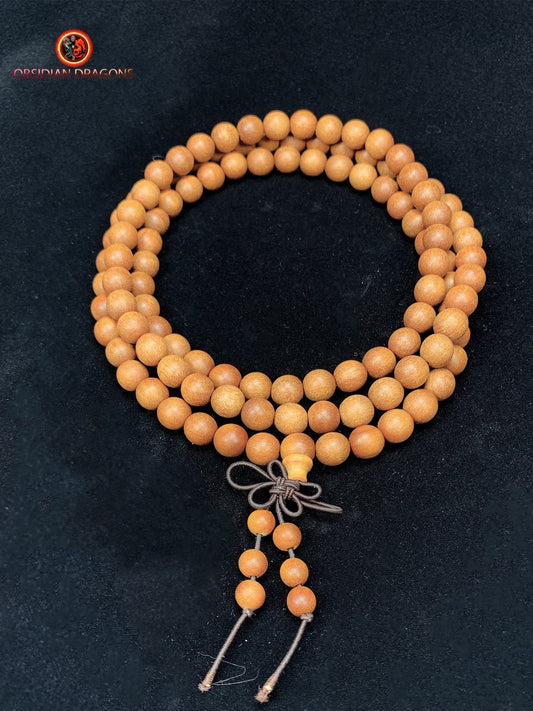

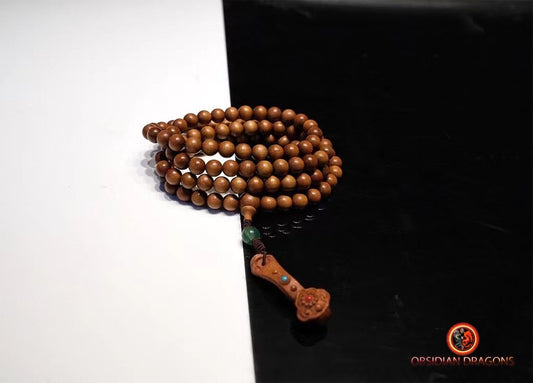

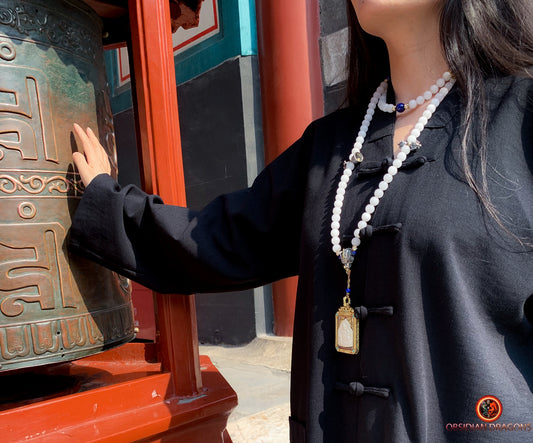


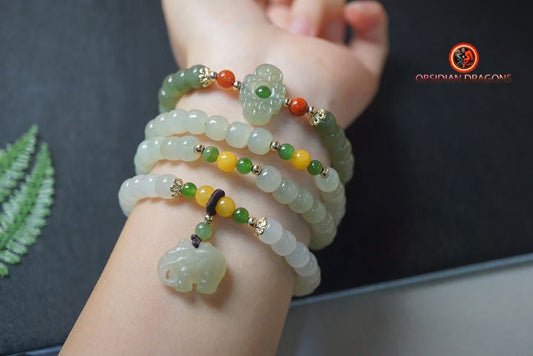

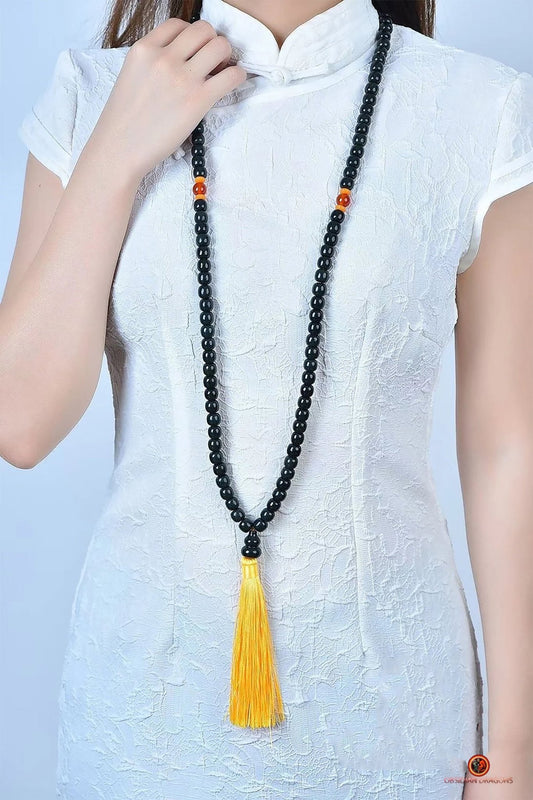


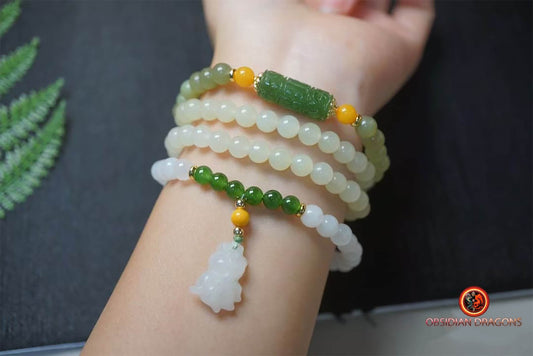

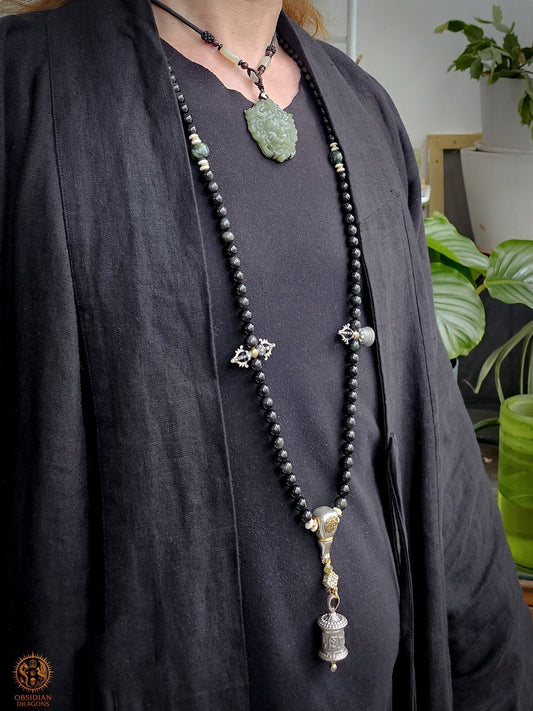


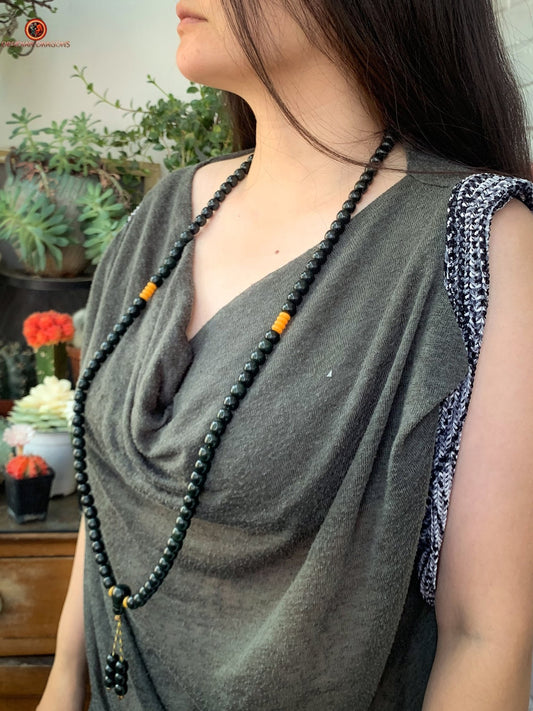


Collection: Handmade Buddhist Malas – 108-Bead Rosaries
🕉️ Handmade and Traditional Buddhist Malas
Discover our collection of handmade Buddhist malas, designed to accompany meditation, prayer, and mantra recitation. Fine natural stones, jade, obsidian, quartz, wood, sacred seeds, or bone: each material is selected for its quality, symbolism, and tactile presence.
Created or selected by Jeremy Guelle, a certified gemologist from the National Institute of Gemology in Paris, and by Zhou Li, designer, artisan, and mala assembly specialist, our models are unique pieces or produced in very small series. Many models feature the 108 traditional beads, as well as a guru bead and various elements related to Buddhist practices.
🧘 The Mala, a Rosary for Meditation and Prayer
The mala, also known as a Buddhist rosary or trengwa in the Tibetan tradition, is primarily used to count mantra recitations. The regular passing of beads between the fingers helps the practitioner maintain focus on the breath, sound, and intention given to their meditation.
A traditional mala generally has 108 beads. However, its composition can vary depending on traditions, practice, and the materials used. Some models are intended for daily recitation, while others have a more specific symbolism linked to a deity, a mantra, or a teaching.
📏 The size of the beads determines the weight and handling of the rosary. Smaller beads make the mala more discreet, while larger ones offer a more pronounced tactile presence.
The composition, dimensions, origin, and specific features of each creation are detailed on its product page.

🐉 Artisanal Creation and Gemological Expertise
Jeremy Guelle discovered and deepened the art of crafting malas in the Tibetan region of Gyaltran, north of Yunnan, amidst mountains nearly 4,000 meters high.
His work combines knowledge of natural stones, respect for Asian traditions, and the precision of artisanal assembly. The beads, threads, and finishing elements are carefully chosen to create balanced, durable, and pleasant-to-use malas.
Each mala reflects the natural characteristics of its materials. The nuances, inclusions, and variations observed in the stones or wood thus make each creation unique.
📿 How to Choose Your Buddhist Mala?
The choice of a mala depends on your practice, your sensitivity, and the feeling you seek when the beads pass between your fingers.
💎 Malas made of natural stones, denser than wood or seed models, offer a distinct tactile reference and a wide variety of colors. The regular passing of the stones between the fingers can accompany a slow, attentive practice deeply rooted in the gesture. Jade, obsidian, quartz, and amethyst each possess a particular appearance and symbolism.
🟢 Jade, particularly nephrite jade, has a particularly soft texture after polishing and excellent resistance to repeated handling. Its shades range from milky white to deep green, sometimes with yellow, brown, or almost black tones. In Asian spiritual traditions, jade is associated with wisdom, harmony, protection, and inner nobility. A jade mala is particularly suitable for people seeking a durable, balanced, and pleasant rosary to run through their fingers.
⚫ Obsidian is a natural volcanic glass formed by the rapid cooling of silica-rich lava. Black, golden, silver, or celestial eye, it sometimes reveals reflections and concentric patterns that make each bead unique. In various symbolic traditions, it is associated with protection, lucidity, and inner work. Its deep color and volcanic origin make it a preferred material for malas related to grounding, transformation, and demanding spiritual practices.
⚪ Quartz, called rock crystal when transparent, is characterized by its luminous sparkle and the diversity of its natural inclusions. Some beads are perfectly clear, while others have veils, frosts, mineral phantoms, or rutile needles. In spiritual practices, quartz traditionally symbolizes clarity, purification, and the amplification of intention. Its transparency also allows a rock crystal mala to be easily associated with different mantras or meditation supports.
🟣 Amethyst is a purple variety of quartz whose color can evolve from delicate lilac to intense crimson. Some beads show natural zoning, translucent passages, or subtle contrasts between purple and colorless crystal. Historically associated with temperance, it now evokes calm, introspection, and spiritual concentration. An amethyst mala can thus accompany silent meditations, contemplative practices, and moments dedicated to self-reflection.
🌈 Natural variations are part of the mala's identity. A difference in shade, an inclusion, or a particular pattern does not necessarily constitute a defect: these characteristics often bear witness to the geological history of the material. Thanks to his gemological expertise, Jeremy selects beads taking into account their nature, quality, visual consistency, and balance in the final creation.
🤲 The choice of a natural stone mala therefore does not depend solely on its symbolism. Its weight, the size of the beads, their temperature, their texture, and how they glide between the fingers directly influence the comfort of use. The ideal mala is one whose material, balance, and tactile presence naturally correspond to your practice.
🌿 Wooden or seed malas are distinguished by their lightness, natural warmth, and softer contact than that of stones. Their surface evolves and gradually develops a patina with hand contact, thus bearing witness to their use.
They are particularly suitable for long recitation sessions, as their light weight allows beads to pass fluidly between the fingers without excessive fatigue. The sound produced by the movement of the beads is also more discreet, favoring a silent and inward practice.
🪵 Wooden malas have a living texture, determined by the wood species used, the fineness of the grain, and the quality of the polish. Some beads have a perfectly smooth surface, while others retain slight reliefs that enhance their tactile presence. Their colors can range from light beige to deep brown, with veins, nuances, and patterns unique to each piece of wood.
Over the course of recitations, repeated contact with the fingers and naturally occurring skin oils gradually alter their appearance. The wood generally becomes more satiny, darker, and softer. This patina is not just aesthetic: it testifies to the time spent with the mala and the regularity of its use.
🌸 Sandalwood is particularly prized for its fine grain, softness, and natural fragrance. Present for centuries in various Asian religious traditions, it is associated with meditation, offerings, and the creation of ritual objects. Its woody scent delicately accompanies recitation without overpowering the practice.
Over time, the scent of a sandalwood mala can become more subtle, especially when the beads are frequently handled. This evolution is natural. The warmth of the hands or gentle rubbing can sometimes bring back its aromatic notes. The color of the wood also deepens and develops a personal patina.
🌳 Other natural woods offer very different sensations depending on their density and origin. Some light woods are delicate and airy, while denser species have a presence similar to that of a stone. Their symbolism often depends on their territory, their ritual use, and the traditions in which they have been crafted.
Wood from a pilgrimage site, a sacred mountain, or a region associated with a deity can thus give the mala a particular cultural dimension. However, its precise origin, identification, and history must be clearly distinguished from the spiritual qualities traditionally attributed to it.
🌰 Seed malas maintain a more organic appearance. Their beads do not always present the perfect regularity of a cut stone or turned wood. Their reliefs, grooves, cavities, and differences in shape are part of their natural identity and allow each passage between the fingers to be distinctly felt.
Seeds gradually transform with hand contact. Their surface can become smoother, their color intensify, and their reliefs soften. This slow evolution creates a particularly intimate relationship with the rosary: after many recitations, the mala visibly bears the imprint of practice.
🌱 Bodh seeds are traditionally associated with spiritual awakening and the Buddha's enlightenment. However, this appellation can refer to several botanical species depending on the country and traditions. The shape, texture, and color of the beads can therefore vary considerably. When the botanical origin is known, it should be precisely indicated on the mala's product sheet.
👁️ Rudraksha seeds come from trees of the genus Elaeocarpus. They are recognizable by their surface naturally divided into grooves, called faces or mukhi. Primarily linked to Hindu traditions and Shiva, they also circulate in various Himalayan spiritual contexts. Their pronounced relief provides a very particular contact and makes each bead immediately identifiable under the fingers.
🪷 Lotus seeds traditionally evoke purity, elevation, and the ability to flourish despite difficulties. Their softness and lightness make them pleasant supports for recitation. As with Bodhi seeds, their commercial name should ideally be accompanied by botanical identification when available.
🤲 A wooden or seed mala requires delicate care. Prolonged immersion in water, significant exposure to humidity, perfumes, or chemicals can weaken the thread and alter the surface of the beads. After use, it is usually sufficient to handle it with clean hands and then store it in a pouch, away from humidity and significant temperature changes.
📿 The choice depends above all on the desired sensation. Wood offers a soft, regular, and warm surface, while seeds provide a more organic and sometimes highly textured feel. In both cases, their lightness, silence, and ability to develop a patina make these malas true companions for practice, whose appearance naturally evolves with time and recitations.
🦴 Bone malas are notably associated, in certain tantric traditions, with the contemplation of impermanence, detachment, and the transformation of fear into wisdom.
Bone malas hold a special place among Buddhist rosaries. Their material comes from living beings and retains a texture, color, and irregularities that directly recall the temporary nature of existence.
Lighter than most stones but generally denser than wood, bone beads offer a balanced tactile presence. Their surface can be perfectly polished, slightly porous, or carved with symbolic motifs. They warm quickly to the touch and produce a discreet sound when moved during recitation.
⏳ Impermanence is at the heart of their symbolism. In Buddhism, all beings, objects, and phenomena are considered subject to change. The body is born, transforms, ages, then disappears. Contemplating this reality is not about maintaining a gloomy view of existence, but about recognizing the value of the present moment and reducing attachment to what cannot be retained.
A bone mala can thus become a concrete reminder of this permanent transformation. Each bead invites the practitioner to observe the passage of time, the fragility of the body, and the need to develop a more attentive awareness of their thoughts and actions.
🔥 In certain tantric and Vajrayana traditions, bones, representations of skulls, and funerary sites hold precise spiritual significance. They symbolize, in particular, the overcoming of fear, the dissolution of the ego, and the transformation of passions into qualities of enlightenment.
Wrathful deities are often depicted with crowns of skulls, bone ornaments, or ritual objects with a funerary appearance. This iconography confronts the practitioner with the instability of existence and the need to transform ignorance, attachment, and disturbing emotions.
💀 Beads carved in the shape of skulls extend this symbolism. The skull represents what remains when social appearances, possessions, and external identity have vanished. It reminds us that all beings share the same condition and invites a more lucid view of life.
These representations can accompany meditation on death, compassion for all beings, and the renunciation of excessive attachments. Their use does not necessarily imply a dark or macabre practice: they function as memento mori, supports intended to awaken awareness of the fragility and value of existence.
🐃 Contemporary bone malas are generally made from animal bone, particularly yak, buffalo, or camel. The density, color, and fineness of the grain vary according to the species, the part used, and the artisan's work.
Yak bone is frequently associated with Himalayan regions and Tibetan culture. The yak plays an essential role in the daily life of these territories, where it traditionally provides food, wool, leather, and utilitarian materials. When documented, the reuse of bone can be understood as a way of not wasting material from the animal.
Buffalo or camel bone often has a dense structure that allows for precise polishing and detailed carving. It can be crafted into smooth beads, disks, miniature skulls, or elements representing deities and ritual symbols.
🔍 Bone, horn, and ivory are different materials. Bone is a mineralized tissue generally exhibiting fine pores or slight structural variations. Horn is primarily composed of keratin and often has a more fibrous or translucent appearance. Ivory, on the other hand, comes from the dentin of certain teeth or tusks and is subject to specific regulations.
A precise description of the material and its origin allows for respect towards the buyer, the animal, and the cultural dimension of the mala. When a species or origin cannot be confirmed, it is preferable to clearly state this rather than attributing an uncertain origin.
🤲 The patina of a bone mala evolves with practice. Initially white, cream, or slightly beige, its surface can gradually take on a warmer, ivory, or honey hue. Repeated contact with the fingers softens the reliefs, accentuates the polish, and gives each bead a unique appearance.
Color variations, small pores, and natural nuances are not necessarily flaws. They reflect the organic structure of the material and differentiate real bone from uniform resin or plastic imitations.
🧘 The choice of a bone mala depends as much on its symbolism as on its feel. Smooth beads allow for fluid and regular recitation, while carved beads create a more distinct contact under the fingers. The diameter, weight, fineness of the carvings, and the overall balance of the rosary directly influence the comfort of practice.
A bone mala can be used as a meditation aid on impermanence or as a recitation rosary. More specific tantric ritual uses, however, fall within particular lineages and may require instructions or transmission from a qualified teacher.
🪷 Maintenance should remain simple and delicate. As bone is an organic and slightly porous material, prolonged immersion, excessive humidity, perfumes, and chemical products should be avoided. After use, the mala can be wiped with a soft cloth and stored in a clean pouch, away from heat and significant temperature variations.
Over time, a bone mala becomes a deeply personal object. Its patina, the softening of its carvings, and the marks left by recitations gradually tell the story of the practitioner's journey.
✨ Custom mala creations
Are you looking for a mala designed around a specific practice, material, or aesthetic? Jeremy can create a custom mala, taking into account your preferences and intended use.
Fine stones, jade, obsidian, wood, seeds, bone, and symbolic elements can be combined to create a unique rosary. Each project begins with an initial discussion to define its composition, balance, and finishes.
💬 Contact us to discuss your custom mala project.
📖 All about the mala
Discover its origin, the meaning of the 108 beads, its different compositions, and its use during meditation in our guide: Mala: origin, meaning, and use of the Buddhist rosary.